





CyberOptix’s Attack Surface Management License
Get Visibility Into Your Entire Attack Surface, Internal, External, and On-Prim.
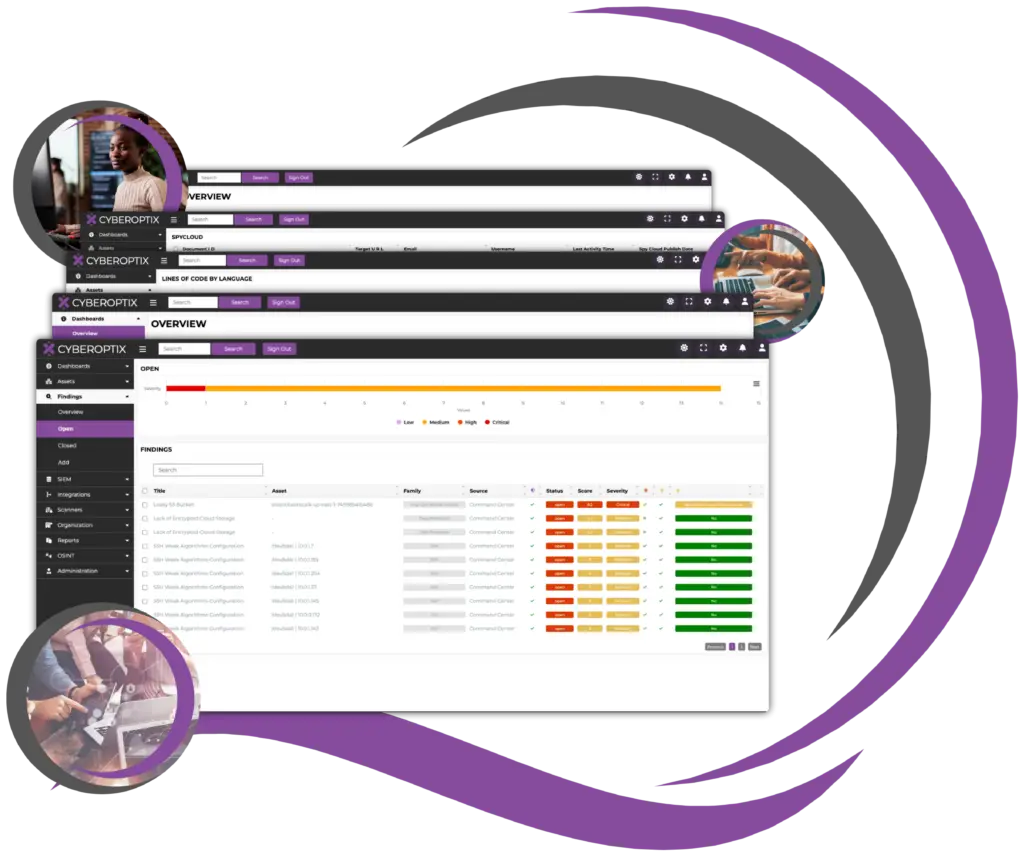
Manage Internal, External, and On-Prim Assets From One Place
Centralize Your Processes With Enterprise System Integration
Map Every Asset Extensively to Cover All Your Bases
Start Today

Need to Manage Your Internal, External, and On-Prim Systems?
Traditional Attack Surface Management solutions focus primarily on external cloud environments like AWS, Azure, or Google Cloud, leaving internal assets, hybrid infrastructures, and on-prim systems overlooked. This fragmented approach creates blind spots that attackers can exploit, increasing the risk of breaches.
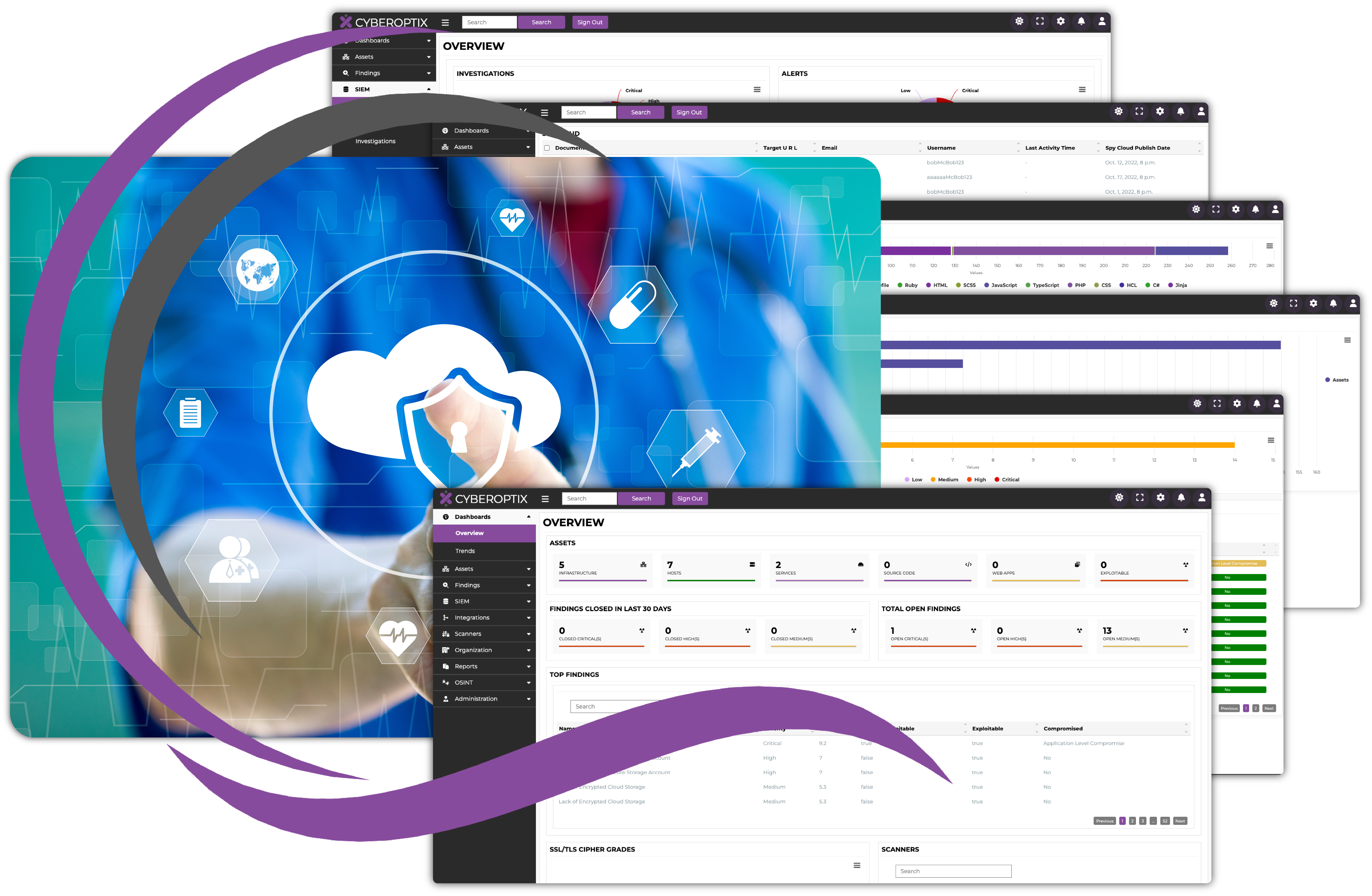
CyberOptix’s Attack Surface Management (ASM) feature addresses this critical gap. By extending its reach beyond the cloud to include on-premises systems and hybrid environments, our ASM provides a complete and unified view of your organization’s vulnerabilities. Seamlessly integrating with modern enterprise-level systems, it ensures that no part of your infrastructure is left unchecked, empowering your team to identify and mitigate risks proactively.
Attack Surface Management License Features
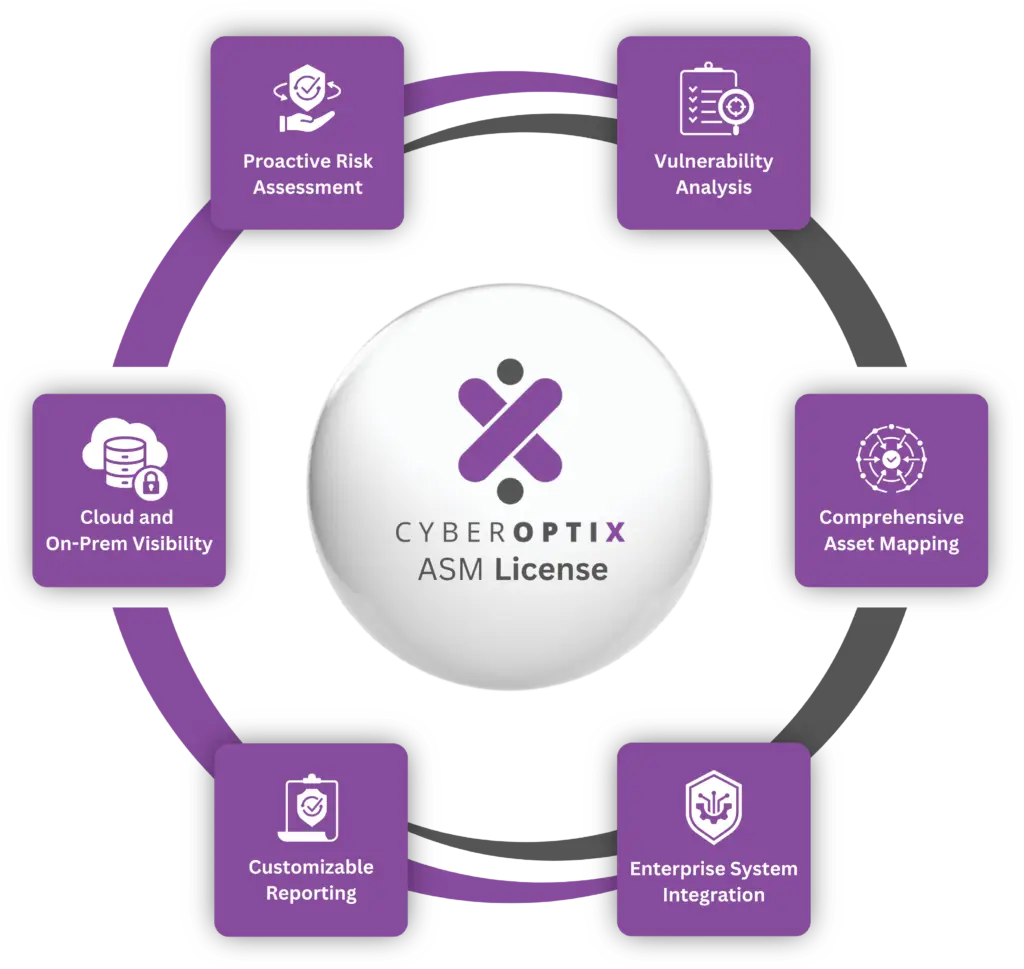
CyberOptix’s Attack Surface Management (ASM) feature provides a robust set of capabilities to help organizations gain full visibility and secure their infrastructure effectively. Unlike traditional solutions, our ASM ensures comprehensive coverage across both cloud and on-premises environments, enabling proactive risk management. Here’s what’s included:
Cloud and On-Premises Visibility
Gain a unified view of your cloud and on-premises environments to ensure no asset is overlooked, enabling full control across hybrid infrastructures.
Proactive Risk Assessment
Anticipate potential threats with continuous risk assessments tailored to your environment, allowing you to address vulnerabilities before they are exploited.
Vulnerability Identification and Analysis
Detect and analyze vulnerabilities across your attack surface with precision, prioritizing threats based on risk factors to focus resources effectively.
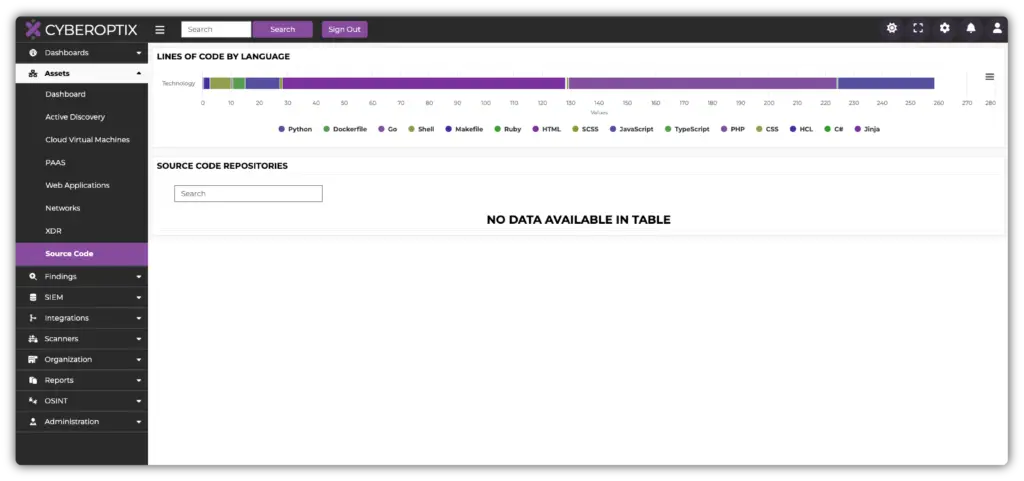
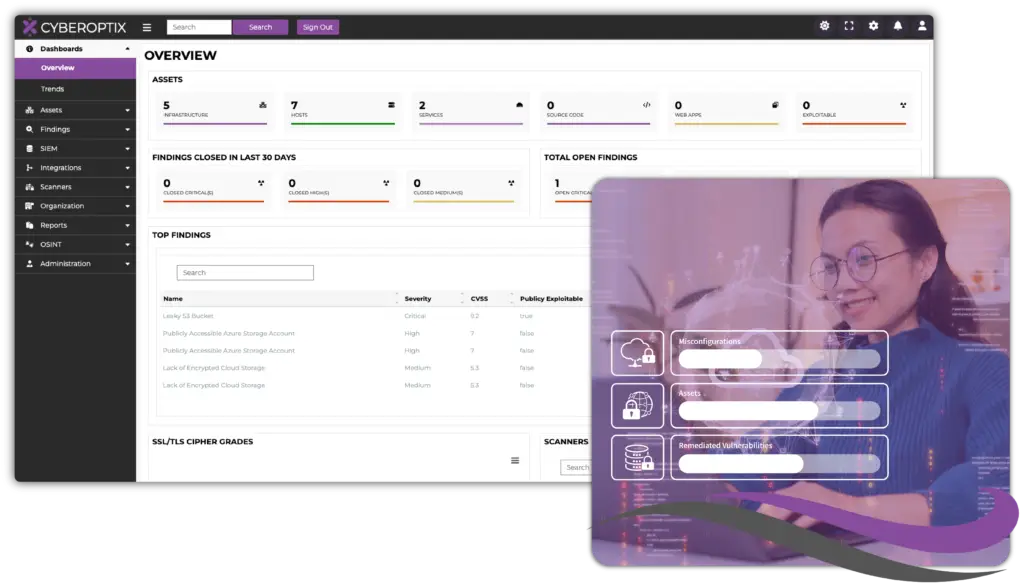
Comprehensive Asset Mapping
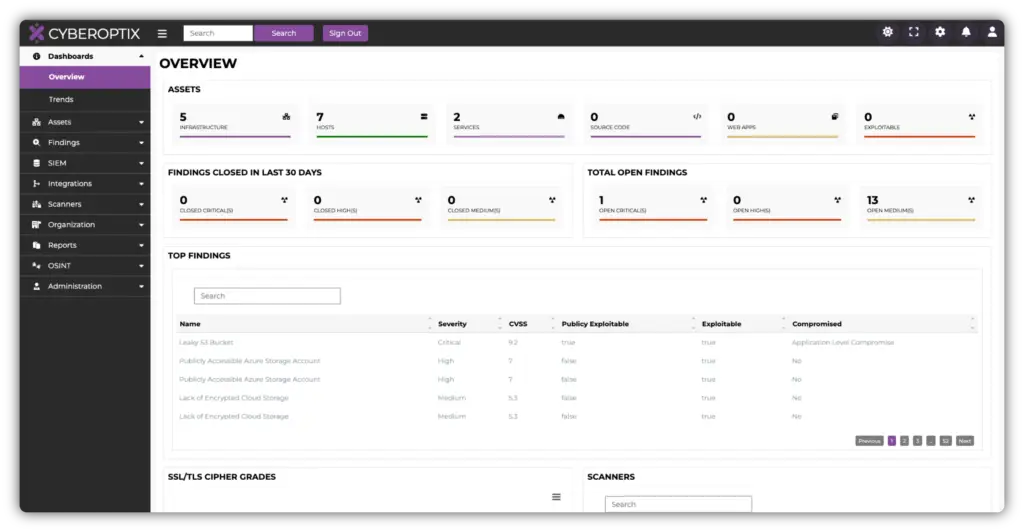
Visualize and maintain an up-to-date inventory of all assets within your attack surface, so you can reduce blind spots and strengthen overall security management.
Enterprise System Integration
Seamlessly connect CyberOptix with your existing enterprise systems for streamlined workflows and enhanced efficiency from data sharing across platforms.
Customizable Reporting
Generate tailored reports that align with your organization’s needs and compliance requirements, allowing you can communicate findings and progress to stakeholders with clear, actionable insights.
Offensive Use Cases
Offensive teams use CyberOptix ASM to gain a deeper understanding of both internal and external vulnerabilities, enabling them to conduct more realistic and effective penetration testing. By providing unparalleled visibility into cloud and on-premises environments, ASM equips offensive teams with the insights needed to identify weak points attackers might exploit and simulate advanced threat scenarios.
Analyze Vulnerabilities Across All Assets
Analyze vulnerabilities across cloud environments, on-premises systems, and hybrid infrastructures to uncover potential entry points.
Improve Testing Depth and Accuracy
Expand the scope and depth of testing, uncovering vulnerabilities across your entire cloud infrastructure including internal, external, and on-prim systems.
Identify Gaps in Your Entire Cloud Infrastructure
Gain detailed insights into cloud infrastructure configurations and practices, identifying exploitable gaps that attackers might target.
Design Precise and Detailed Attack Simulations
Utilize detailed asset mapping and vulnerability data to design precise and impactful attack simulations that mimic real-world scenarios.
Defensive Use Cases
Defensive teams rely on CyberOptix ASM to proactively identify, monitor, and remediate vulnerabilities across their entire infrastructure. With visibility into both cloud and on-premises environments, ASM helps defensive teams close security gaps and strengthen their overall posture. This comprehensive approach ensures potential threats are addressed before they can be exploited.
Maintain Full Visibility Into Newly Configured Assets
Continuously track newly configured networks, subnets, and internet-connected devices, to maintain full visibility and prevent blind spots.
Address Risk Across Cloud and On-Prim Systems
Address risks across cloud and on-premises systems, ensuring vulnerabilities are remediated before they can be exploited.
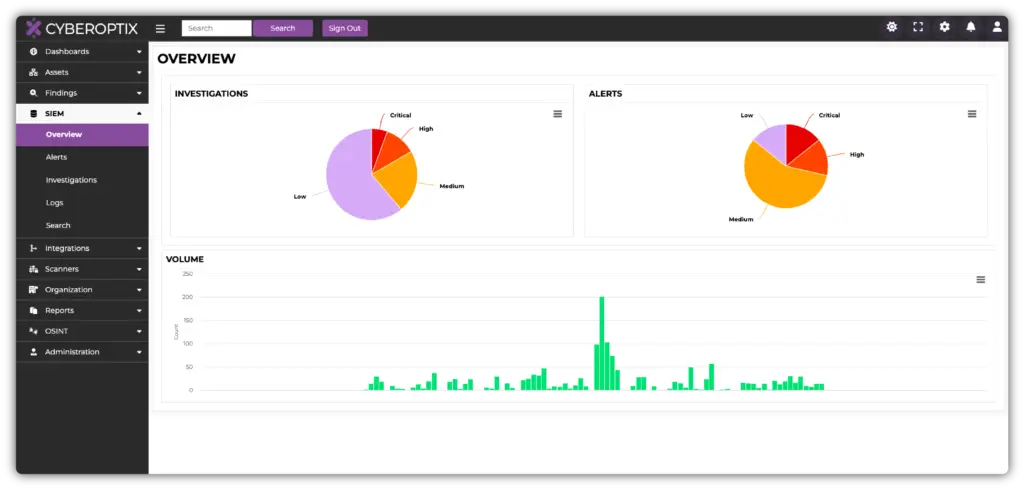
Speed up Remediation With Instant Notifications
Remediate vulnerabilities quickly through instant notifications of significant changes to the attack surface.
Fill Security and Reduce Risk Gaps in Real-Time
Identify and resolve misconfigurations and security gaps in real-time, reducing the risk of breaches and improving your security posture.
Enhance Visibility With System Integration
Seamlessly integrate ASM with modern enterprise systems to enhance data collection, streamline analysis, and prioritize remediation efforts.
CyberOptix’s Attack Surface Management License Integrations
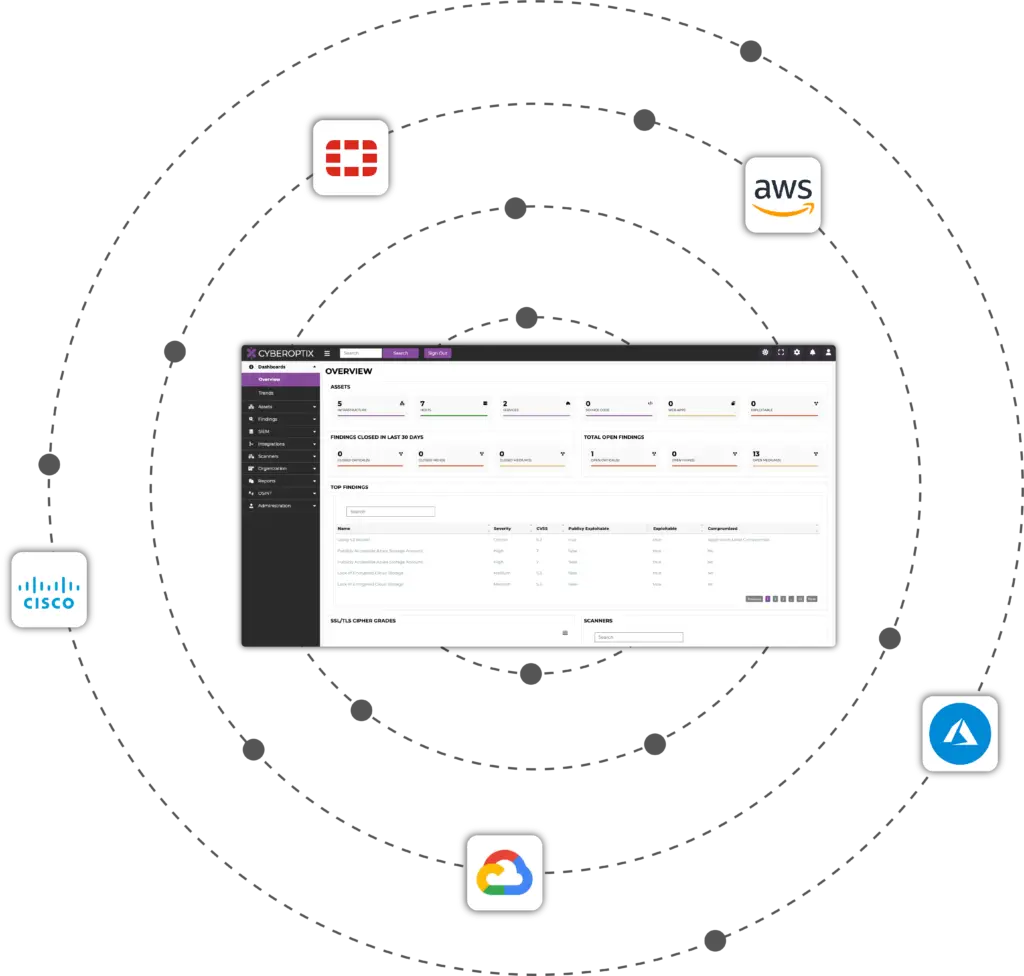
Our Attack Surface Management License integrates seamlessly with leading platforms like Microsoft Azure, AWS, Google Cloud, Cisco, and Fortinet, enabling comprehensive attack surface management. These integrations allow us to unify data from cloud, network, endpoint, and on-premises environments, increasing visibility so your team can mitigate threats.
Need to Manage Your Internal, External, and On-Prim Systems?
Traditional Attack Surface Management solutions focus primarily on external cloud environments like AWS, Azure, or Google Cloud, leaving internal assets, hybrid infrastructures, and on-prim systems overlooked. This fragmented approach creates blind spots that attackers can exploit, increasing the risk of breaches.
CyberOptix’s Attack Surface Management (ASM) feature addresses this critical gap. By extending its reach beyond the cloud to include on-premises systems and hybrid environments, our ASM provides a complete and unified view of your organization’s vulnerabilities. Seamlessly integrating with modern enterprise-level systems, it ensures that no part of your infrastructure is left unchecked, empowering your team to identify and mitigate risks proactively.
Attack Surface Management License Features
CyberOptix’s Attack Surface Management (ASM) feature provides a robust set of capabilities to help organizations gain full visibility and secure their infrastructure effectively. Unlike traditional solutions, our ASM ensures comprehensive coverage across both cloud and on-premises environments, enabling proactive risk management. Here’s what’s included:
Cloud and On-Premises Visibility
Gain a unified view of your cloud and on-premises environments to ensure no asset is overlooked, enabling full control across hybrid infrastructures.
Proactive Risk Assessment
Anticipate potential threats with continuous risk assessments tailored to your environment, allowing you to address vulnerabilities before they are exploited.
Vulnerability Identification and Analysis
Detect and analyze vulnerabilities across your attack surface with precision, prioritizing threats based on risk factors to focus resources effectively.
Comprehensive Asset Mapping
Visualize and maintain an up-to-date inventory of all assets within your attack surface, so you can reduce blind spots and strengthen overall security management.
Enterprise System Integration
Seamlessly connect CyberOptix with your existing enterprise systems for streamlined workflows and enhanced efficiency from data sharing across platforms.
Customizable Reporting
Generate tailored reports that align with your organization’s needs and compliance requirements, allowing you can communicate findings and progress to stakeholders with clear, actionable insights.
Cloud and On-Premises Visibility
Gain a unified view of your cloud and on-premises environments to ensure no asset is overlooked, enabling full control across hybrid infrastructures.
Proactive Risk Assessment
Anticipate potential threats with continuous risk assessments tailored to your environment, allowing you to address vulnerabilities before they are exploited.
Vulnerability Identification and Analysis
Detect and analyze vulnerabilities across your attack surface with precision, prioritizing threats based on risk factors to focus resources effectively.
Comprehensive Asset Mapping
Visualize and maintain an up-to-date inventory of all assets within your attack surface, so you can reduce blind spots and strengthen overall security management.
Enterprise System Integration
Seamlessly connect CyberOptix with your existing enterprise systems for streamlined workflows and enhanced efficiency from data sharing across platforms.
Customizable Reporting
Generate tailored reports that align with your organization’s needs and compliance requirements, allowing you can communicate findings and progress to stakeholders with clear, actionable insights.
Offensive Use Cases
Offensive teams use CyberOptix ASM to gain a deeper understanding of both internal and external vulnerabilities, enabling them to conduct more realistic and effective penetration testing. By providing unparalleled visibility into cloud and on-premises environments, ASM equips offensive teams with the insights needed to identify weak points attackers might exploit and simulate advanced threat scenarios.
Analyze Vulnerabilities Across All Assets
Analyze vulnerabilities across cloud environments, on-premises systems, and hybrid infrastructures to uncover potential entry points.
Improve Testing Depth and Accuracy
Expand the scope and depth of testing, uncovering vulnerabilities across your entire cloud infrastructure including internal, external, and on-prim systems.
Identify Gaps in Your Entire Cloud Infrastructure
Gain detailed insights into cloud infrastructure configurations and practices, identifying exploitable gaps that attackers might target.
Design Precise and Detailed Attack Simulations
Utilize detailed asset mapping and vulnerability data to design precise and impactful attack simulations that mimic real-world scenarios.
Analyze Vulnerabilities Across All Assets
Analyze vulnerabilities across cloud environments, on-premises systems, and hybrid infrastructures to uncover potential entry points.
Improve Testing Depth and Accuracy
Expand the scope and depth of testing, uncovering vulnerabilities across your entire cloud infrastructure including internal, external, and on-prim systems.
Identify Gaps in Your Entire Cloud Infrastructure
Gain detailed insights into cloud infrastructure configurations and practices, identifying exploitable gaps that attackers might target.
Design Precise and Detailed Attack Simulations
Utilize detailed asset mapping and vulnerability data to design precise and impactful attack simulations that mimic real-world scenarios.
Defensive Use Cases
Defensive teams rely on CyberOptix ASM to proactively identify, monitor, and remediate vulnerabilities across their entire infrastructure. With visibility into both cloud and on-premises environments, ASM helps defensive teams close security gaps and strengthen their overall posture. This comprehensive approach ensures potential threats are addressed before they can be exploited.
Maintain Full Visibility Into Newly Configured Assets
Continuously track newly configured networks, subnets, and internet-connected devices, to maintain full visibility and prevent blind spots.
Address Risk Across Cloud and On-Prim Systems
Address risks across cloud and on-premises systems, ensuring vulnerabilities are remediated before they can be exploited.
Speed up Remediation With Instant Notifications
Remediate vulnerabilities quickly through instant notifications of significant changes to the attack surface.
Fill Security and Reduce Risk Gaps in Real-Time
Identify and resolve misconfigurations and security gaps in real-time, reducing the risk of breaches and improving your security posture.
Enhance Visibility With System Integration
Seamlessly integrate ASM with modern enterprise systems to enhance data collection, streamline analysis, and prioritize remediation efforts.
Maintain Full Visibility Into Newly Configured Assets
Continuously track newly configured networks, subnets, and internet-connected devices, to maintain full visibility and prevent blind spots.
Address Risk Across Cloud and On-Prim Systems
Address risks across cloud and on-premises systems, ensuring vulnerabilities are remediated before they can be exploited.
Speed up Remediation With Instant Notifications
Remediate vulnerabilities quickly through instant notifications of significant changes to the attack surface.
Fill Security and Reduce Risk Gaps in Real-Time
Identify and resolve misconfigurations and security gaps in real-time, reducing the risk of breaches and improving your security posture.
Enhance Visibility With System Integration
Seamlessly integrate ASM with modern enterprise systems to enhance data collection, streamline analysis, and prioritize remediation efforts.
CyberOptix’s Attack Surface Management License Integrations
Our Attack Surface Management License integrates seamlessly with leading platforms like Microsoft Azure, AWS, Google Cloud, Cisco, and Fortinet, enabling comprehensive attack surface management. These integrations allow us to unify data from cloud, network, endpoint, and on-premises environments, increasing visibility so your team can mitigate threats.

CyberOptix’s Other Licenses
Beyond the capabilities included in the Attack Surface Management License, CyberOptix offers four other licenses that empower organizations to address even more threats and attack vectors from a single place. These features are designed to complement the Attack Surface Management License and provide a deeper level of insight, control, and adaptability.
How Offensive Teams Use CyberOptix’s Penetration Testing Management License
The Penetration Testing Management License serves as the foundation for offensive security teams to identify vulnerabilities, conduct targeted penetration tests, and refine their strategies.
-
Perform detailed scans across networks, hosts, and web applications, uncovering weaknesses and entry points. -
Integrate with tools like Metasploit, Nmap, and GVM to simulate attacks and test vulnerabilities effectively. -
Use the kanban board and findings management system to document vulnerabilities and plan attack scenarios.

Learn More About Penetration Testing Management
How Defensive Teams Use CyberOptix’s Penetration Testing Management License
Defensive teams utilize the Penetration Testing Management License to gain a clear understanding of vulnerabilities within their organization’s infrastructure.
-
Identify and track vulnerabilities across systems to ensure no risks are overlooked. -
Track vulnerability remediation through the kanban board interface. -
Leverage role-based task distribution and actionable reports to accelerate remediation time.

Learn More About Penetration Testing Management
How Offensive Teams Use SIEM
The CyberOptix’s SIEM License empowers offensive teams to conduct advanced simulations and test an organization’s defenses by leveraging real-time insights into logs and security events.
-
Use real-time log data to test how well an organization’s defenses respond to simulated attacks. -
Analyze the visibility of offensive activities to better understand detection and improve methodologies. -
Work alongside defensive teams in controlled simulations to uncover vulnerabilities and strengthen defenses.
How Defensive Teams Use SIEM
Defensive teams rely on CyberOptix’s SIEM License to gain real-time visibility into security events and logs, enabling them to detect and respond to threats with speed and accuracy.
-
Monitor security events and logs to identify and respond to threats as they occur. -
Leverage insights from purple teaming simulations to strengthen defensive strategies and close security gaps. -
Use correlated log data to prioritize and accelerate responses to potential breaches, reducing overall risk.
How Offensive Teams Use DevSecOps
Offensive teams leverage CyberOptix’s DevSecOps License to uncover application vulnerabilities with precision, enabling targeted and comprehensive penetration testing.
-
Identify vulnerabilities in applications through SAST, DAST, and repository integrations, focusing on exploitable code. -
Leverage vulnerability data to design more precise and realistic penetration testing strategies. -
Provide detailed insights into exploitable weaknesses to improve code security during development.
How Defensive Teams Use DevSecOps
Defensive teams rely on CyberOptix’s DevSecOps License to seamlessly integrate security into the Software Development Lifecycle (SDLC), ensuring vulnerabilities are identified and mitigated early, before they reach production.
-
Monitor and resolve risks directly within the CI/CD pipeline and source code repositories. -
Seamlessly connect with tools like GitHub and Snyk to address risks as part of the development workflow. -
Focus on high-priority vulnerabilities to reduce the attack surface and ensure secure code deployment.
How Offensive Teams Use Dark Web Monitoring
Offensive teams use CyberOptix’s Dark Web License to simulate real-world attack scenarios, leveraging intelligence gathered from dark web sources.
-
Use intelligence from exposed credentials and breach data to simulate potential threat actor activities. -
Analyze third-party vulnerabilities and executive exposures to uncover new attack vectors. -
Provide insights from simulations that help defensive teams address gaps revealed through dark web intelligence.

Learn More About Dark Web Monitoring
How Defensive Teams Use Dark Web Monitoring
Defensive teams rely on CyberOptix’s Dark Web License to proactively address risks identified on the dark web, such as stolen credentials, vendor breach records, and executive exposure.
-
Identify and reset stolen credentials to prevent unauthorized access. -
Monitor and mitigate risks associated with executive data exposure on the dark web. -
Identify and assess vulnerabilities in vendor breach data to minimize supply chain threats.

Learn More About Dark Web Monitoring
How Offensive Teams Use CyberOptix’s Penetration Testing Management License
The Penetration Testing Management License serves as the foundation for offensive security teams to identify vulnerabilities, conduct targeted penetration tests, and refine their strategies.
-
Perform detailed scans across networks, hosts, and web applications, uncovering weaknesses and entry points. -
Integrate with tools like Metasploit, Nmap, and GVM to simulate attacks and test vulnerabilities effectively. -
Use the kanban board and findings management system to document vulnerabilities and plan attack scenarios.

Learn More About Penetration Testing Management
How Defensive Teams Use CyberOptix’s Penetration Testing Management License
Defensive teams utilize the Penetration Testing Management License to gain a clear understanding of vulnerabilities within their organization’s infrastructure.
-
Identify and track vulnerabilities across systems to ensure no risks are overlooked. -
Track vulnerability remediation through the kanban board interface. -
Leverage role-based task distribution and actionable reports to accelerate remediation time.

Learn More About Penetration Testing Management
How Offensive Teams Use CyberOptix’s Penetration Testing Management License
The Penetration Testing Management License serves as the foundation for offensive security teams to identify vulnerabilities, conduct targeted penetration tests, and refine their strategies.
-
Perform detailed scans across networks, hosts, and web applications, uncovering weaknesses and entry points. -
Integrate with tools like Metasploit, Nmap, and GVM to simulate attacks and test vulnerabilities effectively. -
Use the kanban board and findings management system to document vulnerabilities and plan attack scenarios.

Learn More About Penetration Testing Management
How Defensive Teams Use CyberOptix’s Penetration Testing Management License
Defensive teams utilize the Penetration Testing Management License to gain a clear understanding of vulnerabilities within their organization’s infrastructure.
-
Identify and track vulnerabilities across systems to ensure no risks are overlooked. -
Track vulnerability remediation through the kanban board interface. -
Leverage role-based task distribution and actionable reports to accelerate remediation time.

Learn More About Penetration Testing Management
How Offensive Teams Use SIEM
The CyberOptix’s SIEM License empowers offensive teams to conduct advanced simulations and test an organization’s defenses by leveraging real-time insights into logs and security events.
-
Use real-time log data to test how well an organization’s defenses respond to simulated attacks. -
Analyze the visibility of offensive activities to better understand detection and improve methodologies. -
Work alongside defensive teams in controlled simulations to uncover vulnerabilities and strengthen defenses.
How Defensive Teams Use SIEM
Defensive teams rely on CyberOptix’s SIEM License to gain real-time visibility into security events and logs, enabling them to detect and respond to threats with speed and accuracy.
-
Monitor security events and logs to identify and respond to threats as they occur. -
Leverage insights from purple teaming simulations to strengthen defensive strategies and close security gaps. -
Use correlated log data to prioritize and accelerate responses to potential breaches, reducing overall risk.
How Offensive Teams Use SIEM
The CyberOptix’s SIEM License empowers offensive teams to conduct advanced simulations and test an organization’s defenses by leveraging real-time insights into logs and security events.
-
Use real-time log data to test how well an organization’s defenses respond to simulated attacks. -
Analyze the visibility of offensive activities to better understand detection and improve methodologies. -
Work alongside defensive teams in controlled simulations to uncover vulnerabilities and strengthen defenses.
How Defensive Teams Use SIEM
Defensive teams rely on CyberOptix’s SIEM License to gain real-time visibility into security events and logs, enabling them to detect and respond to threats with speed and accuracy.
-
Monitor security events and logs to identify and respond to threats as they occur. -
Leverage insights from purple teaming simulations to strengthen defensive strategies and close security gaps. -
Use correlated log data to prioritize and accelerate responses to potential breaches, reducing overall risk.
How Offensive Teams Use DevSecOps
Offensive teams leverage CyberOptix’s DevSecOps License to uncover application vulnerabilities with precision, enabling targeted and comprehensive penetration testing.
-
Identify vulnerabilities in applications through SAST, DAST, and repository integrations, focusing on exploitable code. -
Leverage vulnerability data to design more precise and realistic penetration testing strategies. -
Provide detailed insights into exploitable weaknesses to improve code security during development.
How Defensive Teams Use DevSecOps
Defensive teams rely on CyberOptix’s DevSecOps License to seamlessly integrate security into the Software Development Lifecycle (SDLC), ensuring vulnerabilities are identified and mitigated early, before they reach production.
-
Monitor and resolve risks directly within the CI/CD pipeline and source code repositories. -
Seamlessly connect with tools like GitHub and Snyk to address risks as part of the development workflow. -
Focus on high-priority vulnerabilities to reduce the attack surface and ensure secure code deployment.
How Offensive Teams Use DevSecOps
Offensive teams leverage CyberOptix’s DevSecOps License to uncover application vulnerabilities with precision, enabling targeted and comprehensive penetration testing.
-
Identify vulnerabilities in applications through SAST, DAST, and repository integrations, focusing on exploitable code. -
Leverage vulnerability data to design more precise and realistic penetration testing strategies. -
Provide detailed insights into exploitable weaknesses to improve code security during development.
How Defensive Teams Use DevSecOps
Defensive teams rely on CyberOptix’s DevSecOps License to seamlessly integrate security into the Software Development Lifecycle (SDLC), ensuring vulnerabilities are identified and mitigated early, before they reach production.
-
Monitor and resolve risks directly within the CI/CD pipeline and source code repositories. -
Seamlessly connect with tools like GitHub and Snyk to address risks as part of the development workflow. -
Focus on high-priority vulnerabilities to reduce the attack surface and ensure secure code deployment.
How Offensive Teams Use Dark Web Monitoring
Offensive teams use CyberOptix’s Dark Web License to simulate real-world attack scenarios, leveraging intelligence gathered from dark web sources.
-
Use intelligence from exposed credentials and breach data to simulate potential threat actor activities. -
Analyze third-party vulnerabilities and executive exposures to uncover new attack vectors. -
Provide insights from simulations that help defensive teams address gaps revealed through dark web intelligence.

Learn More About Dark Web Monitoring
How Defensive Teams Use Dark Web Monitoring
Defensive teams rely on CyberOptix’s Dark Web License to proactively address risks identified on the dark web, such as stolen credentials, vendor breach records, and executive exposure.
-
Identify and reset stolen credentials to prevent unauthorized access. -
Monitor and mitigate risks associated with executive data exposure on the dark web. -
Identify and assess vulnerabilities in vendor breach data to minimize supply chain threats.

Learn More About Dark Web Monitoring
How Offensive Teams Use Dark Web Monitoring
Offensive teams use CyberOptix’s Dark Web License to simulate real-world attack scenarios, leveraging intelligence gathered from dark web sources.
-
Use intelligence from exposed credentials and breach data to simulate potential threat actor activities. -
Analyze third-party vulnerabilities and executive exposures to uncover new attack vectors. -
Provide insights from simulations that help defensive teams address gaps revealed through dark web intelligence.

Learn More About Dark Web Monitoring
How Defensive Teams Use Dark Web Monitoring
Defensive teams rely on CyberOptix’s Dark Web License to proactively address risks identified on the dark web, such as stolen credentials, vendor breach records, and executive exposure.
-
Identify and reset stolen credentials to prevent unauthorized access. -
Monitor and mitigate risks associated with executive data exposure on the dark web. -
Identify and assess vulnerabilities in vendor breach data to minimize supply chain threats.

Learn More About Dark Web Monitoring
Take Control of Your Attack Surface Today
Don’t let blind spots put your organization at risk. With CyberOptix’s Attack Surface Management License, you gain the comprehensive visibility and actionable insights needed to secure your cloud and on-premises environments.
Contact us today to learn how CyberOptix can redefine your approach to attack surface management and strengthen your organization’s defenses.